

Inside the Lives of Northern Resident Killer Whales by Sandra Zgela
1. Who They Are
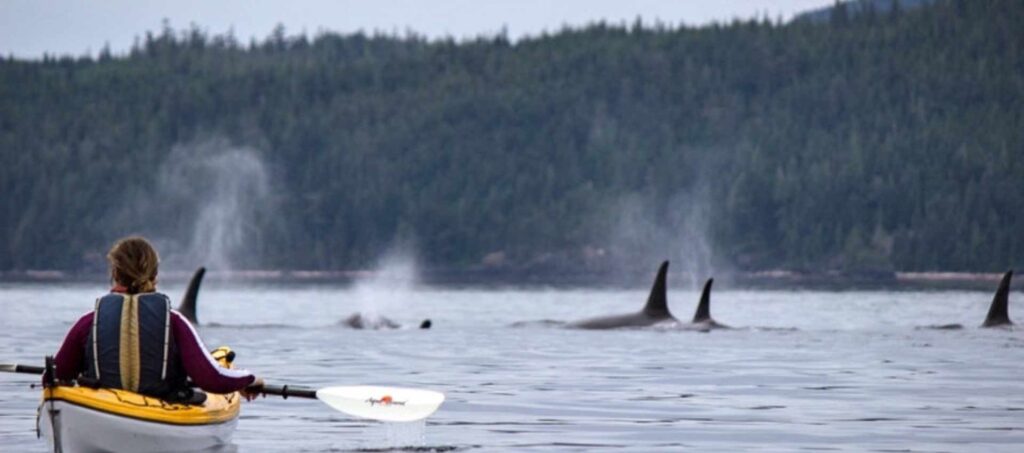
Northern Residents are a genetically and culturally unique group of orcas found primarily off coastal British Columbia, with occasional visits to Southeast Alaska and northern Washington. Unlike the endangered Southern Residents, they number over 300 and thrive—yet still face significant threats like diminished salmon populations, pollution, and vessel noise.
2. Clan, Pods & Matrilines: The Social Orca Web
Clans (3): A, G, and R—identified by shared dialects and matrilineal heritage .
Pods (~16): Within clans are pods—tight-knit pods of related whales. There are roughly 16 recognized pods, including A1, A4, A5 (A Clan), G1, G12 (G Clan), and R1 (R Clan) .
Matrilines (~33 total): Core family groups centered around a matriarch. Both males and females stay with their mother for life, with some matrilines occasionally splitting .
Notable examples:
-
A1 Pod: 20 members in 2024, containing three matrilines including A36 (“The Brothers”).
-
A30 Matriline: Famous, with 12 whales across three generations—led by Clio (A50) and now including calves like Cedar, Kamux, and Jamieson.
3. Family Life & Naming Culture
Pods and matrilines are named after the senior female (e.g., matriline A30 from Tsitika → Clio). These whales exemplify deep familial bonds; even after a matriarch’s death, members stay together in solidarity. For example, after Tsitika passed in 2012, her descendants continued as a cohesive unit.
4. Special Behaviors & Culture
-
Beach rubbing: Unique ritual of rubbing their bodies on pebbled beaches—seen on places like Robson Bight—as part of cultural and social bonding.
-
Complex vocal dialects: Each clan and pod has a distinctive repertoire of calls; language reinforces social structure and identity.
-
Cooperative feeding: They eat exclusively fish—salmon, especially Chinook—working together to herd and share prey, often mother-to-calf.
5. Conservation & Challenges
Though not endangered, they’re listed as Threatened in Canada. Major issues include:
-
Salmon decline: Lower Chinook salmon stocks impair feeding success.
-
Pollution & noise: Vessel traffic and contaminants disrupt behavior and communication.
-
Oil risks: Vessel presence raises spill concerns in their habitat.
6. Future Outlook
With about 330–340 whales, the Northern Residents are stable—but human impacts linger. Continued conservation efforts, salmon restoration, and vessel regulation are vital to ensure they survive and thrive. Their unique cultural traditions—from vocal dialects to beach rubbing—make protecting them all the more important.
Conclusion
Northern Resident killer whales are a powerful symbol of deep familial loyalty and cultural richness in the wild—320+ strong, spread across three clans, sixteen pods, and thirty-three matrilines. Their lives offer compelling reason to preserve the marine ecosystems of British Columbia and beyond.