

Peak Orca Season: Why Protecting Whales Starts at Home
If you love orcas, you also love salmon—whether you’ve thought about it or not.
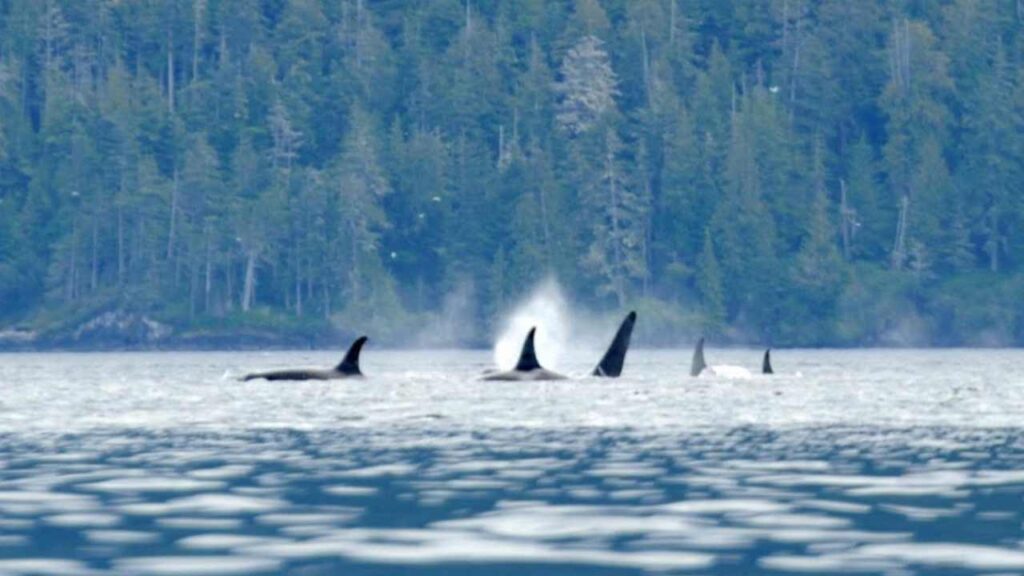
Here along the north end of Vancouver Island, the Northern Resident killer whales depend almost entirely on wild Pacific salmon, especially Chinook. Their movements, their culture, and even their family success rely on strong salmon runs.
So if we want to protect orcas, the real work begins far from the ocean.
It begins in our homes, gardens, driveways, kitchens, and daily choices.
This blog will walk you through:
-
Why July to mid-September is peak orca season
-
The salmon life cycle and why it matters
-
How the way we live at home affects salmon habitat
-
How healthy salmon = thriving orcas
Let’s dive in.
Why July to Mid-September Is Peak Orca Season
Salmon Are On the Move
Summer is when multiple species of Pacific salmon—Chinook, Coho, Pink, Chum, and Sockeye—migrate back toward their home rivers to spawn. The narrow passages along North Vancouver Island become packed with salmon following ancient migration routes.
These channels include:
-
Johnstone Strait
-
Blackfish Sound
-
Broughton Archipelago
-
The waters near Telegraph Cove
They act like underwater highways, bringing thousands of salmon directly past orca feeding grounds.
Orcas Follow the Fish
Northern Resident killer whales are fish specialists, and Chinook salmon are their highest-value food source due to their size and high fat content.
In July, August, and early September:
-
Salmon numbers surge
-
Chinook are at their fattest
-
Weather is calmer
-
Water visibility is excellent
This perfect combination brings orcas close to shore, close to kayakers, and sometimes right through places like Blackfish Sound and the passages near Orca Camp.
These weeks are the heart of the season when orca families feed, travel, socialize, and thrive.
The Salmon Life Cycle: A Journey That Connects Forests, Rivers, and the Sea
To understand orcas, we need to understand salmon.
Salmon are a keystone species in the Pacific Northwest. Their lifecycle touches almost every ecosystem—from mountain forests to coastal waters.
1. Eggs
Salmon lay eggs in clean, cold freshwater streams.
They need:
-
Gravel free of silt
-
Cold, oxygenated water
-
Stable streamflows
Pollution and sedimentation can suffocate entire nests.
2. Alevins & Fry
After hatching, young salmon spend weeks to months in streams.
They depend on:
-
Cool, shaded water
-
Healthy insect populations
-
Intact streamside vegetation (tree roots stabilize banks and provide shade)
3. Smolts
Smolts travel downstream through rivers into estuaries.
This is one of the most vulnerable phases of their lives.
They rely on:
-
Clean, slow-moving estuary water
-
Ample food
-
Shelter from predators
4. Ocean Life
Once in the ocean, salmon migrate thousands of kilometres while feeding and growing. Depending on species, they may spend one to several years at sea.
5. The Return
Guided by their sense of smell and natural navigation abilities, adult salmon return to the exact streams where they were born.
6. Spawning and Dying
After spawning, the adults die.
Their bodies then feed:
-
Birds
-
Bears
-
Wolves
-
Forests
-
Juvenile salmon
-
Rivers and estuaries
Their nutrients fertilize entire ecosystems.
Orcas are part of that cascade—dependent on the return of salmon year after year.
How Home Choices Affect Salmon Habitat
Most people don’t realize that every home is part of a watershed.
Rain that falls on roofs, driveways, and streets eventually flows into:
-
Storm drains
-
Creeks
-
Rivers
-
Estuaries
-
The ocean
So what we do at home has a direct impact on salmon survival. Here’s how.
1. Water Quality: Everyday Products End Up in Salmon Habitat
Many products we use at home can harm salmon when washed into waterways.
These include:
-
Harsh cleaning chemicals
-
Laundry detergents with additives
-
Pesticides and lawn herbicides
-
Fertilizers
-
Oil, fuel, and car fluids
-
Plastics and micro-particles
-
Pet waste
These pollutants can interfere with salmon’s ability to breathe, navigate, grow, and survive.
What You Can Do
-
Switch to biodegradable, non-toxic cleaning products
-
Clean spills with absorbent materials, not hoses
-
Avoid pesticides and chemical herbicides
-
Use compost instead of synthetic fertilizers
-
Pick up pet waste every single time
-
Never pour chemicals, oils, or paint down drains
Clean water begins with clean habits.
2. Water Quantity: Every Drop Saved Helps Salmon
Summer low-flow conditions are becoming more common, causing rivers to shrink and warm. Salmon need cool, abundant water to survive.
Small changes at home can help preserve streamflow during critical months.
What You Can Do
-
Fix dripping taps and running toilets
-
Use efficient showerheads
-
Take shorter showers
-
Run full loads of laundry and dishes
-
Reduce lawn watering or let your lawn go golden
-
Use rain barrels where allowed
Saving water at home helps keep rivers flowing for young salmon.
3. Salmon-Friendly Landscaping
Even if you don’t live near a river, your yard affects salmon habitat.
What You Can Do
-
Plant native species (they need less water and support native insects). Get more information on David Suzuki Foundations website.
-
Avoid all pesticides
-
Choose organic soil amendments
-
Replace impermeable surfaces with permeable ones (gravel, permeable pavers)
-
Create rain gardens to filter runoff
-
If you are near a waterway, maintain a natural, wild buffer
Healthy yards filter pollutants and support entire watersheds.
4. Cleaner Transportation & Energy Choices
Climate change affects:
-
Stream temperatures
-
River flows
-
Snowpack
-
Ocean conditions
This means salmon face increased stress both in freshwater and in the ocean.
What You Can Do
-
Combine errands to drive less
-
Fix vehicle fluid leaks quickly
-
Wash cars at proper car washes
-
Improve home energy efficiency
-
Support clean energy where possible
Even small shifts help create more resilient salmon ecosystems.
5. Sustainable Seafood Choices
Our food choices ripple out into rivers and oceans. Get your facts at Seafood Watch.
Helpful Choices
-
Support sustainable, local wild-caught seafood
-
Reduce reliance on high-impact foods
-
Be mindful of farmed salmon’s environmental impacts
-
Choose more plant-based meals or lower-trophic seafood
Supporting ethical food systems supports the wider marine food web.
6. Community Action Makes a Powerful Difference
Individual actions matter even more when we join forces.
Ways to Get Involved
-
Volunteer for stream restoration projects
-
Participate in salmon counts
-
Join shoreline or river cleanups
-
Help plant native trees
-
Support habitat protection initiatives
-
Teach others about salmon–orca connections
Collective action amplifies every positive choice.
Healthy Salmon = Healthy Orcas
Everything comes back to this simple truth:
Orcas cannot survive without abundant salmon.
When salmon runs are strong:
-
Orcas feed easily
-
Mothers produce healthier calves
-
Families socialize, rest, and thrive
-
Stress declines
-
Survival rates improve
When salmon decline, orcas travel more, burn more energy, and struggle to maintain body condition.
Protecting salmon protects orcas.
And protecting salmon starts at home.
Your At-Home Checklist to Help Orcas & Salmon
At Home
-
Use eco-friendly cleaners. Check out Clean People to get inspired.
-
Avoid dumping chemicals down drains
-
Run full dishwasher/laundry loads
-
Fix leaks
Outdoors
-
Plant native species
-
Avoid pesticides and synthetic fertilizers
-
Build rain gardens or use permeable surfaces
-
Protect natural vegetation
On the Road
-
Fix oil leaks
-
Drive less and group errands
-
Wash cars responsibly
In the Community
-
Volunteer for stream or shoreline restoration
-
Participate in salmon counts or monitoring
-
Support environmental protection policies
Final Thoughts
Each summer, when Northern Resident orcas return to the waterways around North Vancouver Island, their presence represents the health of an entire ecosystem.
When we care for ourselves, we care for our environment.
When we protect watersheds, we protect whale families.
When we make small changes at home, we create big changes in the ocean.
Protecting orcas and their habitats starts at home.
And your actions matter more than you think.